
Istanbul, Turkey, is a global leader for beard transplants, blending world-class expertise with affordable prices to help you achieve a thick, natural beard. Since you’ve shown interest in hair and beard transplants, Sapphire FUE, and DHI, here’s a concise, engaging guide to getting a beard transplant in Istanbul:

- Why Istanbul?
- Affordability: Beard transplants cost $1,500–$4,000, compared to $5,000–$15,000 in the US or UK, with packages including hotels, airport transfers, and PRP therapy.
- Expertise: Surgeons perform thousands of procedures yearly, mastering techniques for natural results. Istanbul handles over 1 million transplants annually with a 90–95% success rate.
- Medical Tourism: Turkey’s government supports high standards, attracting 1.5 million medical tourists yearly. Enjoy a vibrant city while transforming your look.
- How It Works
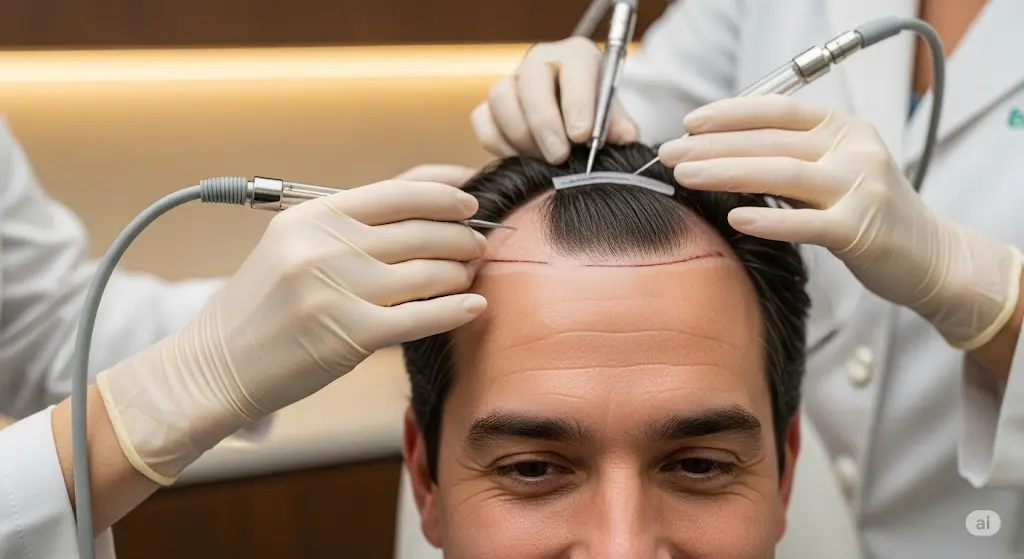
Follicles are harvested from the donor area (usually the back of the scalp, sometimes chest) and implanted into sparse or patchy beard/mustache areas. The procedure takes 2–6 hours, using 500–2,000 grafts, depending on your goals (e.g., filling patches or building a full beard). Local anesthesia (often needle-free) ensures comfort, and you’re awake, maybe chatting or listening to music. - Techniques Used
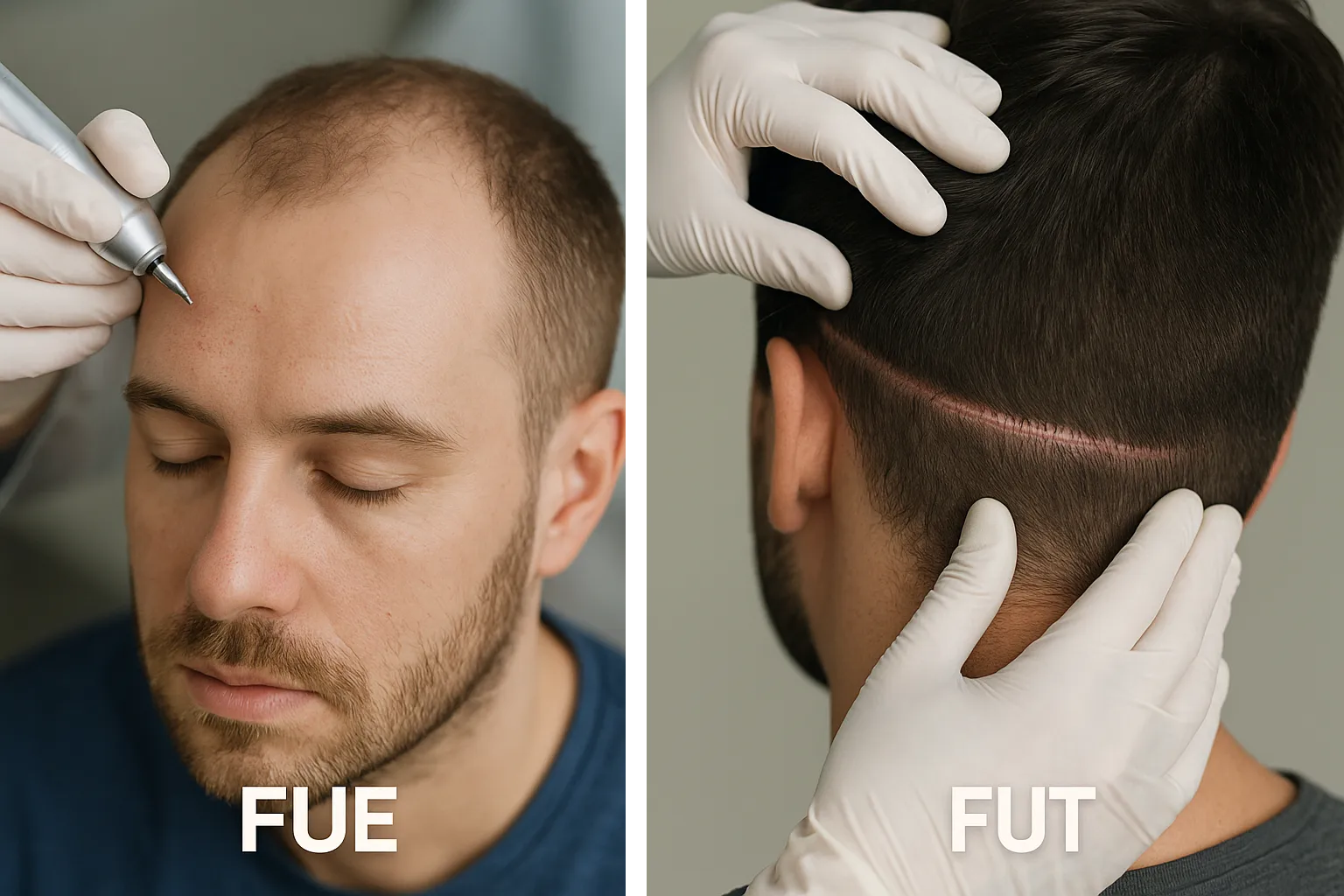
- Sapphire FUE: Uses sapphire blades for finer incisions, offering denser placement and faster healing (7–10 days). Ideal for natural beard density, as you’ve explored.
- DHI: Employs a Choi Implanter pen for precise, direct implantation, perfect for detailed beard shaping. Great for smaller areas or specific angles.
Both achieve a seamless look with minimal scarring and high graft survival (90–95%).
- Combining with Hair Transplants
As you’ve asked about combined procedures, Istanbul surgeons can perform hair and beard transplants in one 6–10-hour session if you have enough donor hair (2,000–5,000 grafts total). This saves time, consolidates recovery, and ensures a balanced aesthetic. - Recovery Timeline
- Days 1–5: Mild redness, scabs, or swelling. Avoid touching, shaving, or rubbing the area.
- Days 7–14: Scabs fall off; temporary “shock loss” of transplanted hairs is normal (roots remain). Gentle washing starts.
- Months 3–6: New hairs sprout, initially fine but thickening.
- Months 8–12: Full, natural beard ready to style.
Follow aftercare: use mild cleansers, skip sun/sweat, and avoid the gym for 1–2 weeks.
- Who’s a Good Candidate?
- Patchy or no facial hair due to genetics, scars, or injury.
- Sufficient donor hair (scalp or body).
- Good health, no healing issues.
- Realistic expectations for a fuller, natural beard.
- Risks to Watch
- Infection: Rare with proper care.
- Scarring: Tiny donor-area dots fade over time.
- Graft Failure: 5–10% may not take, minimized by Sapphire FUE/DHI.
- Poor Results: Avoidable with an ISHRS-certified surgeon who prioritizes natural angles.
- Choosing a Surgeon
- Verify ISHRS certification and review patient before-and-after photos, especially for beards or combined transplants.
- Look for surgeons handling one patient daily for personalized care.
- Check reviews on platforms like Trustpilot or RealSelf to ensure quality.
- Pro Tips
- Book in winter to minimize sun exposure during recovery.
- Stop smoking 2 weeks before and avoid alcohol/caffeine 3–5 days prior to reduce risks.
- Research thoroughly—your surgeon’s skill is the key to a beard that turns heads.
Istanbul’s blend of affordability, expertise, and advanced techniques like Sapphire FUE and DHI makes it the perfect place to get a beard transplant. Whether you’re filling patches or crafting a full beard, a skilled surgeon can deliver results that feel like you. Dive into patient reviews and portfolios to find your match and start your transformation in this vibrant city.
Leave a Reply