
Follicular Unit Extraction (FUE) is a leading hair transplant technique, celebrated for its minimal scarring and natural results, making it a top choice for addressing hair loss. Since you’ve explored FUE, Sapphire FUE, DHI, and combined hair/beard transplants in Istanbul, here’s a concise, engaging overview of FUE hair transplants, tailored to your interests and grounded in Istanbul’s world-class offerings:
What is FUE?
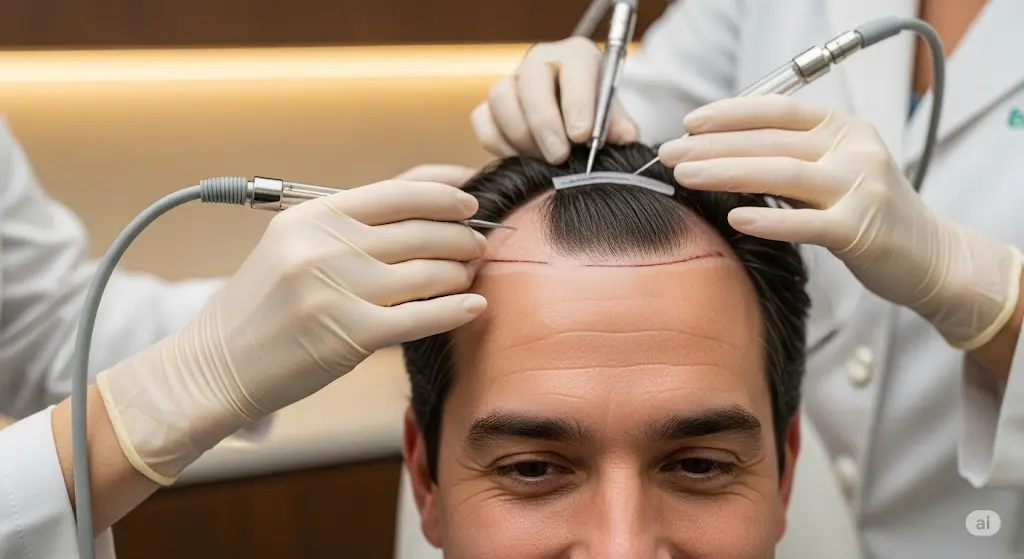
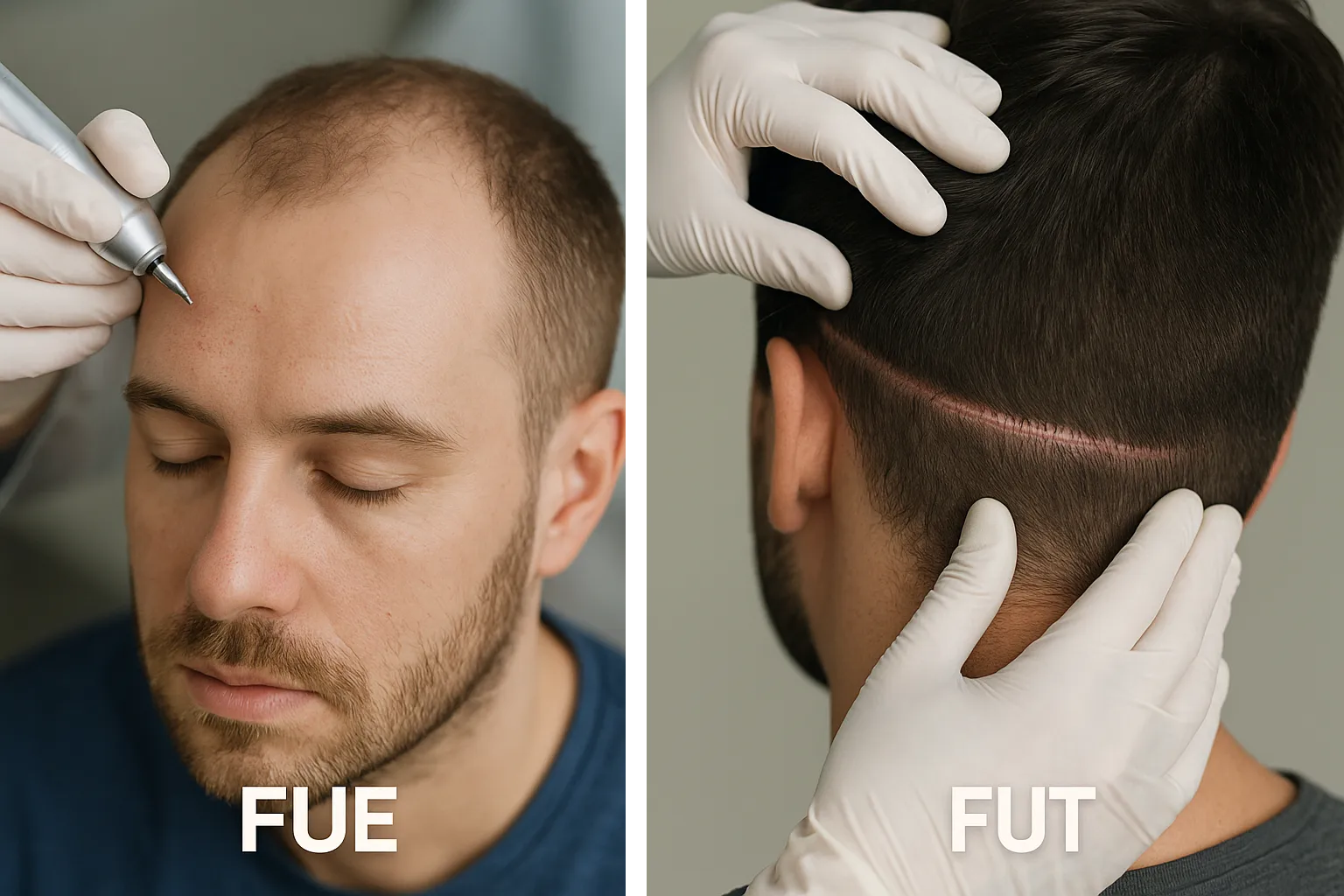
FUE involves extracting individual hair follicles from the donor area (typically the back or sides of the scalp) using a micro-punch tool (0.6–0.8 mm) and implanting them into thinning or bald areas, such as the hairline, crown, or temples. The procedure, performed under local anesthesia (often needle-free in Istanbul), takes 5–8 hours for 1,500–5,000 grafts and leaves tiny, nearly invisible scars that fade over time. It’s versatile for hair, beard, or eyebrow restoration.

- Why FUE in Istanbul?
- Affordability: Costs range from $1,500–$3,500, compared to $7,500–$25,000 in the US or UK, driven by Turkey’s favorable exchange rate and high clinic volume (~1 million transplants annually).
- Expertise: Istanbul’s surgeons perform thousands of FUE procedures yearly, achieving a 90–95% graft survival rate with natural, seamless results.
- All-Inclusive Packages: Include surgery, 3–4 nights in 4/5-star hotels, airport/clinic transfers, and PRP therapy to enhance healing, making the process hassle-free.
- Medical Tourism Hub: With 1.5 million medical tourists yearly, Istanbul blends top-tier care with a vibrant cultural experience.
- FUE Variations
- Standard FUE: The foundation of most transplants, ideal for covering larger areas of hair loss (e.g., Norwood 3–5).
- Sapphire FUE: Uses sapphire blades for finer incisions, offering denser placement and quicker recovery (7–10 days), as you’ve explored. Slightly pricier ($2,000–$4,500) but popular for refined results.
While DHI (another technique you’ve researched) is better for smaller, precise areas, FUE excels in versatility and scalability, especially for high-graft sessions.
- Combined Hair and Beard Transplants
As you’ve asked about combining procedures, FUE is perfect for performing hair and beard transplants in one 6–10-hour session, using 2,000–5,000 grafts (e.g., 3,000 for hair, 1,000–2,000 for beard). This approach saves time, aligns recovery, and ensures a balanced aesthetic, costing $3,000–$7,000 in Istanbul. - Advantages of FUE
- Minimal Scarring: Tiny donor-area dots are barely visible, even with short haircuts.
- Natural Results: Grafts are placed to mimic your hair’s natural angle and density, blending seamlessly.
- Versatility: Suitable for various hair loss types (male/female pattern baldness, scars) and areas (hair, beard, eyebrows).
- Quick Recovery: Initial healing in 7–14 days, with full results in 12–18 months.
- Scalability: Handles high-graft sessions (up to 5,000+ grafts) for extensive hair loss, as you’ve recently explored.
- Recovery Timeline
- Days 1–5: Mild redness, scabs, or swelling; avoid touching or heavy washing. Sleep upright to reduce swelling.
- Days 7–14: Scabs fall off; temporary “shock loss” (shedding of transplanted hairs) is normal, but roots remain. Start gentle washing.
- Months 3–6: New growth appears, initially fine but thickening over time.
- Months 12–18: Full, natural results, whether for hair or combined hair/beard.
- Aftercare: Use mild shampoo, avoid sun exposure and sweat, and pause workouts for 2 weeks. For beards, avoid shaving for 10–14 days.
- Who’s a Good Candidate?
- Stable hair loss (e.g., male/female pattern baldness, typically after age 25, as you’ve asked about age suitability).
- Sufficient donor hair (scalp or body for beards).
- Good health, with no conditions that impair healing (e.g., uncontrolled diabetes).
- Realistic expectations for a fuller, natural appearance, whether for hair or combined procedures.
- Risks to Watch
- Infection: Rare with proper hygiene and post-op care.
- Scarring: Minimal with FUE, as scars are tiny and fade over time.
- Graft Failure: 5–10% of grafts may not take, but Istanbul’s advanced techniques minimize this risk.
- Poor Results: Avoidable by choosing an ISHRS-certified surgeon skilled in natural graft placement.
- Choosing a Surgeon in Istanbul
- Verify ISHRS certification and review before-and-after photos, especially for FUE or combined hair/beard transplants, to ensure natural outcomes.
- Look for surgeons who handle one patient per day for personalized, meticulous care, crucial for high-graft sessions.
- Check reviews on platforms like Trustpilot or RealSelf to confirm clinic reliability and patient satisfaction.
- Pro Tips
- Book in Winter: Less sun exposure aids recovery, especially for larger transplanted areas.
- Prepare Properly: Stop smoking 2 weeks before, avoid alcohol/caffeine 3–5 days prior, and share any medications with your surgeon to reduce risks.
- Consider Sapphire FUE: If you’re aiming for denser results or faster healing, this upgrade (which you’ve explored) is widely available in Istanbul and worth the slight cost increase.
- Request a Graft Estimate: A virtual or in-person consultation will clarify how many grafts you need, especially for combined procedures or extensive hair loss.
- Research Thoroughly: Istanbul’s reputation is built on quality, but avoid clinics offering deals under $1,000 to prevent subpar results or overharvesting.
Istanbul’s mastery of FUE, paired with its affordability and expertise, makes it the ideal destination for a hair transplant that restores your confidence. Whether you’re targeting a receding hairline, thinning crown, or combining hair and beard restoration, FUE delivers natural, lasting results in a single session. Dive into patient reviews, scope out ISHRS-certified surgeons, and book a consultation to start your transformation in this vibrant city, where world-class care meets unbeatable value.
Leave a Reply